CALL FOR PAPER To Be Publish in JUNE and DECEMBER 2027



Emerging Perspectives in Veterinary Reproduction, Clinical Medicine, and Animal Health.
OverviewThis issue presents original research and case reports addressing current challenges in veterinary medicine. The articles cover reproductive performance in livestock, innovative therapeutic approaches for infectious and parasitic diseases, behavioral factors affecting animal welfare, and comparative toxicological evaluations. Experimental studies using zebrafish models and clinical investigations in ruminants demonstrate the integration of laboratory research with field applications, contributing to the advancement of veterinary science and sustainable animal health management.

Topic
Advances in Bioscience and Veterinary Medicine: From Molecular Modeling to Clinical Welfare
Overview
This issue explores how modern technology and natural solutions are improving animal health. From using computers to detect bacteria to studying how herbal supplements help animals fight disease, these articles highlight the latest breakthroughs in veterinary medicine. Smart Technology: A new way to use computer modeling (Bioinformatics) to find and identify harmful bacteria in animals. Natural Healing: Studies on how plants like Black Cumin (Nigella sativa) and Mugwort (Artemisia vulgaris) protect chickens and fish from viruses and heat stress. Food & Health: Research on how temperature changes the quality and healthy bacteria in Horse Milk. Case Reports: Important lessons from the field, including poisoning in catfish and a unique look at animal welfare laws regarding injured pets.
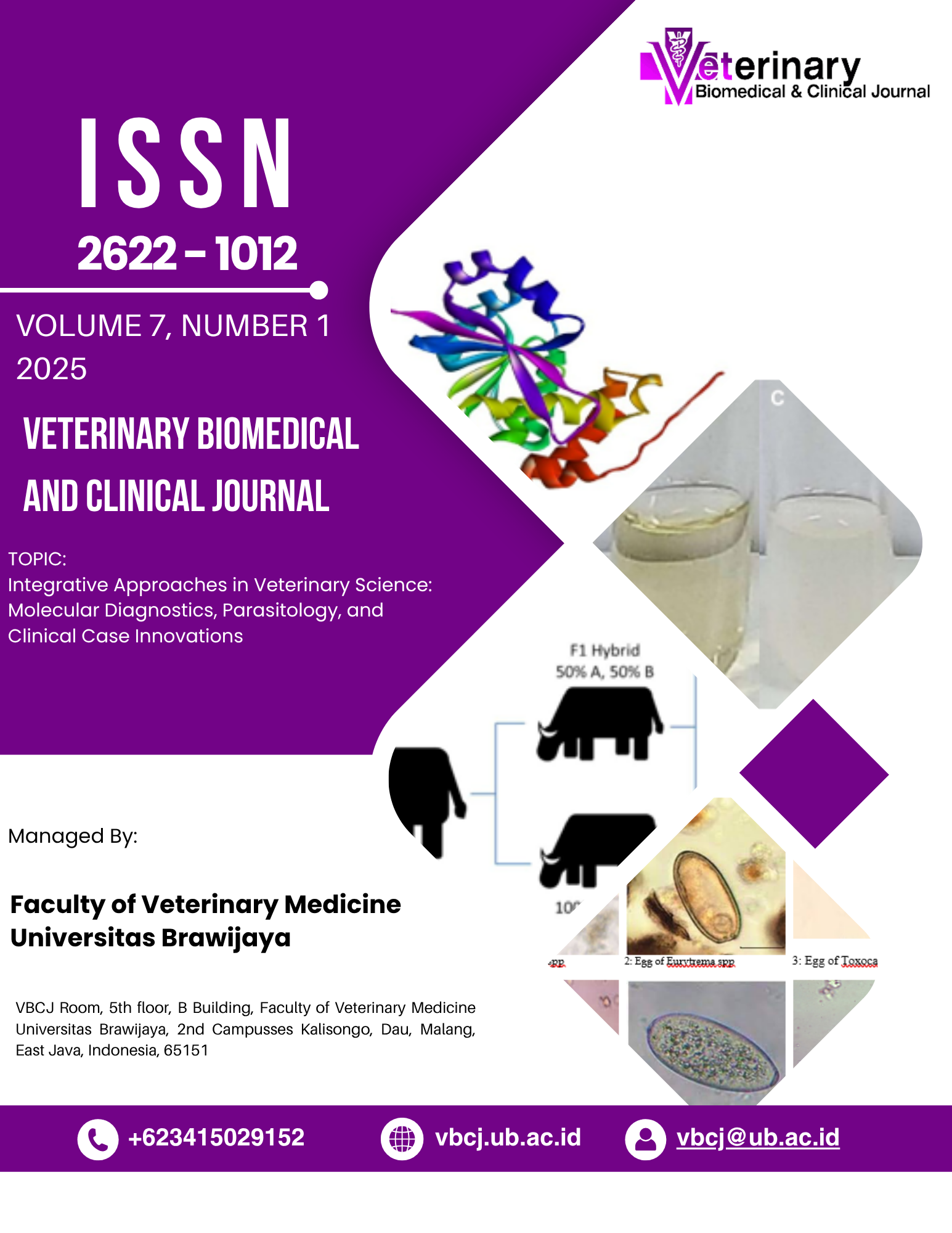
TOPIC:
Integrative Approaches in Veterinary Science: Molecular Diagnostics, Parasitology, and Clinical Case Innovations.
OVERVIEW:
Veterinary biomedical research continues to advance through integrative approaches that combine molecular diagnostics, genetic improvement, and innovative therapeutic strategies. This volume features a diverse collection of studies, including in-house primer development for the detection of Mycobacterium fortuitum, molecular surveillance of tick-borne pathogens in cattle, and the hematological effects of aromatherapy in mice. It also explores the transition from conventional breeding to genomic selection in livestock, coprological analyses of helminth infections in buffalo, evaluations of antiparasitic drug efficacy in reptiles, and a unique clinical case on shell fracture repair in an elderly tortoise. Collectively, these contributions underscore the multidisciplinary progress in veterinary diagnostics, treatment approaches, and species-specific clinical care.

TOPIC
Advances in Veterinary Medicine: Microbial Resistance, Nutritional Interventions, and Natural Therapeutics
OVERVIEW
This volume delves into key aspects of veterinary microbiology, physiology, and therapeutic innovations, addressing both clinical and biomedical challenges. Research highlights include antibiotic susceptibility profiles of Pasteurella multocida in cattle and Streptococcus spp. in cats, providing insights into antimicrobial resistance in veterinary practice. Additionally, the volume explores the physiological effects of Moringa oleifera in goats, the protective potential of green tea extract on Zebrafish oocytes under heat stress, and the sedative properties of lemongrass aromatherapy in mice, showcasing the integration of natural and evidence-based approaches to enhance animal health and welfare.

TOPIC
Integrative Approaches in Veterinary Biomedical Science: Evaluating Antioxidants, Herbal Remedies, Vaccination Efficacy, and Feeding Practices for Enhanced Animal Health
OVERVIEW
This volume provide a various studies within veterinary biomedical and clinical sciences, encompassing the effects of antioxidants, herbal extracts, and vaccination, as well as the impact of feeding practices and euthanasia methods. Research into the impact of lycopene on Zebrafish embryos revealed that it positively influences hatchability and heart rate under heat stress conditions, suggesting potential benefits for embryonic development. A study on red betel leaf extract demonstrated its ability to mitigate kidney damage in Wistar rats induced with alloxan, highlighting its potential therapeutic effects in reducing hyperglycemia-induced nephropathy. The efficacy of the Avian Influenza H9N2 inactivated vaccine was confirmed through serology tests in broiler chickens, affirming its effectiveness in stimulating protective antibody responses and supporting poultry health. Examination of dewa leaf extract showed that while it did not significantly alter serum enzyme levels, it effectively reduced liver histological damage in rats exposed to paracetamol-induced hepatotoxicity. Lastly, an investigation into feeding practices for Bearded dragons indicated that stringent hygiene measures significantly reduce the prevalence of Oxyurid infections, underscoring the importance of proper feed management.

TOPIC
Advancements in Veterinary Biomedical Practices: Integrating Surgical Innovations, Parasitic Management, and Grafting Techniques for Improved Animal Health
OVERVIEW
This volume provide insights into various aspects of veterinary biomedical and clinical sciences, focusing on surgical techniques, parasitic infections, and grafting methods. A study detailed the management of a distal humeral fracture in a dog using cerclage wires and intramedullary pins, with subsequent successful healing and improvement in limb function following surgery and medical treatment. A review of anesthetic practices for cystotomy in dogs revealed that Xylazine, Ketamine, and Isoflurane are commonly used, with variations in protocols for geriatric and large-breed dogs to mitigate anaesthetic risks. Research on endoparasitism in dairy cows identified a 56% prevalence of infections, primarily helminths and Balantidium coli, suggesting the need for effective parasite control during the rainy season. An investigation into ectoparasites in striped catfish revealed a 42.2% infection rate, with species such as Gyrodactylus sp. and Dactylogyrus sp. identified, indicating that other pathogens may also contribute to fish health issues. Finally, a study on bovine xenografts demonstrated that the use of hydroxyapatite derived from bovine bones can accelerate femoral fracture healing in domestic dogs, with radiographic evidence of enhanced callus formation in treated animals.

TOPIC
Innovations in Diagnostic and Therapeutic Strategies in Veterinary Biomedical Sciences: Addressing Infectious Diseases, Toxicological Challenges, and Parasitic Infections in Companion and Livestock Animals
OVERVIEW
This volume encompass a range of veterinary biomedical and clinical topics, addressing surgical techniques, parasitic infections, and therapeutic interventions. The first study explores a surgical approach for managing a comminuted tibia fracture in a dog, utilizing Open Reduction and Internal Fixation (ORIF) with intra-medullary pins and wires to correct malunion, resulting in successful postoperative recovery. The second study employs DNA sequencing to identify the parasitic nematode Hysterothylacium sp., confirming a 97% genetic similarity with Hysterothylacium amoyense based on COX-2 gene analysis. The third study evaluates the antioxidant potential of Robusta coffee extract against renal histopathological damage induced by monosodium glutamate (MSG) in mice, finding no significant improvement in kidney cell damage across various extract dosages. The fourth study investigates the effects of oregano extract on renal histopathology in mice infected with Escherichia coli, demonstrating that oregano extract can mitigate histopathological changes, with an optimal dose of 5 mg/mice. Finally, the fifth study assesses endoparasite prevalence in Macaca fascicularis from mangrove forests, revealing a range of parasitic species with varying prevalence rates, and highlights the significance of environmental factors in parasitic burden.

TOPIC
Innovations in Diagnostic and Therapeutic Strategies in Veterinary Biomedical Sciences: Addressing Infectious Diseases, Toxicological Challenges, and Parasitic Infections in Companion and Livestock Animals
OVERVIEW
The studies present a spectrum of veterinary biomedical and clinical issues, highlighting diagnostic, therapeutic, and preventive strategies. The first study details a case of feline calicivirus infection in a Bengal cat, characterized by chronic stomatitis, rhinitis, and otitis, with a positive antigen test confirming the virus, although the patient ultimately did not survive; prevention through vaccination and cleanliness was emphasized. The second study investigates the antidiarrheal properties of shallot bulb infusion in mice, identifying a 1.25% concentration as most effective in reducing diarrhea by inhibiting intestinal peristalsis, suggesting further research to refine these findings. The third study reports a case of urolithiasis in a 10-year-old female Pomeranian mix, where cystotomy was performed to remove urinary bladder calculi, leading to recovery within 14 days post-surgery. The fourth study assesses the prevalence and management of Foot and Mouth Disease (FMD) in Central Bangka Regency, revealing high prevalence rates in specific sub-districts and demonstrating effective recovery rates of 96.72% following comprehensive drug therapy and disinfection measures. Finally, the fifth study describes the surgical treatment of a prolapsed nictitating membrane (Cherry Eye) in an 11-year-old Beagle, with successful outcomes achieved through the Morgan Pocket method and supportive therapy including anti-inflammatory and topical treatments.

TOPIC
Advances in Diagnostic and Therapeutic Interventions for Infectious and Non-Infectious Diseases in Veterinary Medicine
OVERVIEW
This volume encompass critical aspects of veterinary biomedical and clinical sciences, focusing on diverse diagnostic and therapeutic approaches. The first study elucidates the management of pyothorax in Domestic Short Hair cats, identifying Acinetobacter baumannii as the causative agent and demonstrating the efficacy of targeted antibiotic therapy with Enrofloxacin, Meropenem, and Tigecycline. The second study investigates the protective effects of Coleus ambonicus leaf extract against kidney damage induced by cisplatin in Wistar rats, highlighting its potential to mitigate histopathological damage. The third study assesses gastrointestinal nematodiasis prevalence in Bali cattle, revealing a high occurrence of Strongyle-type nematodes and noting that age and sex are not significant risk factors. The fourth study addresses colibacillosis in Free-range chickens, identifying E. coli as the pathogen and noting its resistance to penicillin and bacitracin while remaining sensitive to ciprofloxacin and gentamicin. Finally, the fifth study details the clinical presentation and treatment of toxocariasis in domestic cats caused by Toxocara cati, including specific morphometric data of the parasites and effective anthelmintic therapy with Drontal®. These studies collectively advance our understanding of disease etiology, diagnosis, and treatment in veterinary medicine.

TOPIC
Advancements in Veterinary Biomedical Sciences: Evaluating Toxicological Risks, Infectious Disease Management, Growth Promotion Strategies, and Genetic Factors Influencing Metabolic Disorders
OVERVIEW
The studies cover various studies highlighting key issues in veterinary biomedical and clinical sciences. The first study investigates the hepatotoxic effects of Jatropha curcas seed extract in Rattus Norvegicus, showing increased SGPT levels and severe liver damage, emphasizing the toxic potential of medicinal plants when misused. Leptospirosis, prevalent in Indonesian dogs, is highlighted in the second study, identifying key serovars and transmission methods, with prevention through vaccination and diagnostic advancements like PCR and ELISA. The third study details Haemobartonella felis infection in domestic cats, emphasizing vector-borne transmission by Ctenocephalides felis and successful treatment with doxycycline. The fourth study explores the use of red dragon fruit-infused water as a natural growth promoter for broilers, showing improved growth performance without affecting vital organ ratios. Lastly, research on ovariohysterectomy-induced obesity in domestic cats examines the association between PDX-1 gene polymorphisms and insulin resistance, identifying silent mutations that could contribute to diabetes in spayed animals. These findings collectively enhance our understanding of disease prevention, treatment, and alternative growth promoters in veterinary practice.

TOPIC
Enhancing Veterinary Disease Management and Treatment through Community Education and Innovative Research
OVERVIEW
This volume is studying about various aspects of veterinary biomedical and clinical sciences, focusing on animal health management, treatment methodologies, and disease prevention. The community service initiative aimed at educating students on the proper use, storage, and disposal of veterinary medicines demonstrated increased knowledge among participants, enhancing animal care practices. Studies on raptor rehabilitation and blood cell analysis at WRC Jogja showcased advancements in erythrocyte and leukocyte counting techniques to improve sample quality for conservation efforts. Research on fascioliosis during the Eid al-Adha slaughter revealed significant rates of infection in cattle, goats, and sheep, emphasizing the need for ongoing disease prevention and monitoring. Additionally, clinical cases, such as conjunctivitis in red-eared sliders due to poor husbandry, underline the importance of proper care in preventing common health issues, while a study on wound healing in rats evaluated the efficacy of snakehead fish and turmeric extracts, contributing to alternative treatment options in veterinary medicine.

TOPIC
Exploring Therapeutic Interventions and Disease Management in Veterinary Biomedical Sciences: A Focus on Essential Oils, Pesticide Toxicity, and Disease Detection
OVERVIEW
These studies explore various aspects of veterinary biomedical and clinical sciences, particularly focusing on disease pathology, therapeutic interventions, and animal health. Research on Clove's and Lemongrass's essential oils demonstrated their ability to improve the performance and hematological profiles of diabetic rats, offering potential dietary applications in managing diabetes. Another study examined the histopathological and macroscopic effects of Coryza in chickens, providing crucial insights into respiratory disease diagnosis and progression in poultry. Investigations into the toxicity of diazinon insecticide revealed its damaging effects on liver histopathology and elevated malondialdehyde (MDA) levels, highlighting the environmental hazards posed by organophosphate pesticides. Furthermore, the potential therapeutic use of dragon fruit skin extract in wound healing was demonstrated by its anti-inflammatory and regenerative properties in rats. Lastly, research on subclinical mastitis in dairy cows emphasized the importance of early detection through the California Mastitis Test (CMT) and somatic cell counts, underlining the need for improved farm hygiene and preventive measures.

TOPIC
Advancements in Veterinary Biomedical and Clinical Sciences: Addressing Heavy Metal Toxicity, Parasitic Infections, Microbial Resistance, and Innovative Therapeutic Interventions
OVERVIEW
Veterinary biomedical and clinical sciences encompass the study and application of advanced research aimed at understanding and addressing the pathophysiology of diseases in animals, including heavy metal toxicity, parasitic infections, and microbial resistance. Recent studies have highlighted the therapeutic potential of natural plant extracts, such as Pluchea indica and Ananas comosus, for preventing oxidative stress and inhibiting parasitic larvae, demonstrating the growing role of phytomedicine in veterinary care. Furthermore, the formation of bacterial biofilms, especially by Staphylococcus aureus in mastitis, has been shown to complicate infection control due to antibiotic resistance, necessitating novel approaches to treatment. Experimental models of dioxin toxicity and ureteral obstruction in rats have provided insights into the mechanisms of organ damage and the potential for therapeutic interventions, such as casein from goat milk yogurt, which modulates liver enzymes and protects against hepatotoxicity. Lastly, preeclampsia models in rats have shed light on the impact of hypertension on fetal development and placental abnormalities, underscoring the importance of prenatal care in preventing complications.
| ACCREDITATION |

| ISSN 2622-1012 |
| ABOUT VBCJ |
|
INFORMATION FOR AUTHOR |
| - | Submit Online |
| - | Author Guidelines |
| - | Author Fees |
| PAPER TEMPLATE |


| MEET OUR EDITORIAL TEAM |
| INDEXED IN |









| CITEDNESS ON SCOPUS |

| All | |
| Citations | : 5 |
| Document | : 4 |
| PROFESSIONAL COLABORATION |

JAWA TIMUR 2 |


This work is licensed under a
Creative Commons Attribution-NonCommercial 4.0 International License
Veterinary Biomedical and Clinical Journal
Journal Room, 5th Floor, B Building
Faculty of Veterinary Medicine,
Universitas Brawijaya,
Kalisongo, Dau, Malang, East Java
INDONESIA
65151
Phone/Fax: +623415029152
Email: [email protected]